
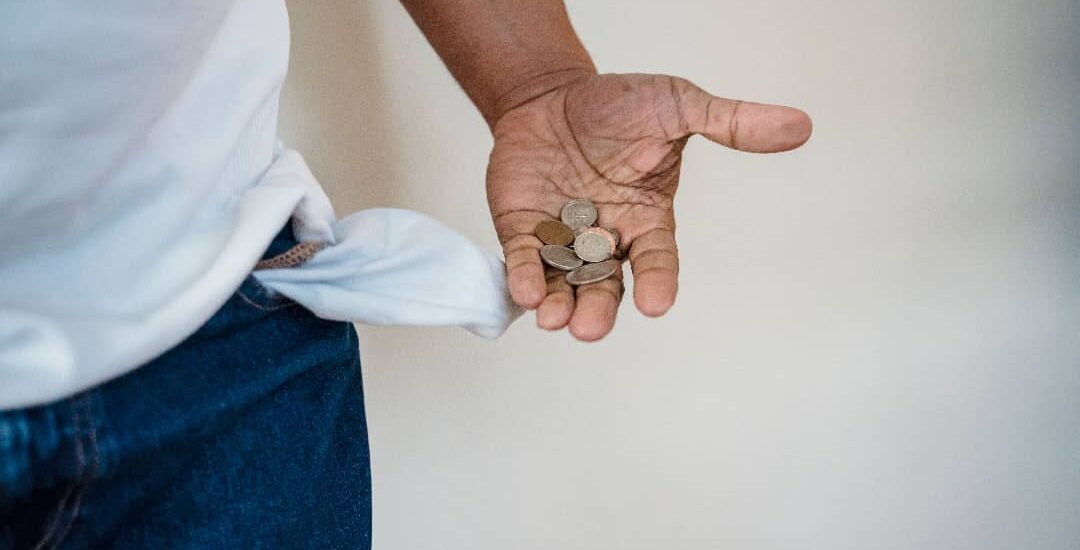
Paying off debt with a low income can be difficult, but it is possible to make progress by focusing on what you can control. The goal is not necessarily to make huge payments immediately. Instead, create enough room in your budget to consistently pay more toward debt while protecting your essential expenses.
Start by understanding where your money goes, prioritize necessary bills, reduce expenses where possible, look for ways to increase income, and choose a debt payoff strategy you can maintain.
Start With Your Essential Expenses
Before focusing heavily on debt, make sure you know how much you need for necessities.
List expenses such as:
- Housing
- Utilities
- Food
- Transportation
- Insurance
- Childcare
- Necessary medical expenses
- Minimum debt payments
These expenses form the foundation of your budget.
If your income barely covers these costs, the answer may not be cutting more expenses. You may need to look for additional income, creditor assistance, or professional guidance.
Make a Debt List
Write down every debt you owe.
Include:
| Debt | Balance | Interest Rate | Minimum Payment |
|---|---|---|---|
| Credit Card | $2,500 | 24% | $75 |
| Personal Loan | $4,000 | 14% | $125 |
| Medical Bill | $1,000 | 0% | $50 |
This simple list gives you a starting point.
You cannot create an effective payoff plan if you do not know exactly what you owe.
Find a Small Amount of Extra Money
When income is limited, you may not have hundreds of dollars available each month.
That does not mean you cannot make progress.
Look for smaller opportunities, such as:
- Canceling subscriptions you rarely use
- Reducing restaurant and takeout spending
- Comparing insurance costs
- Lowering unnecessary fees
- Shopping around for recurring services
- Planning meals before grocery shopping
- Selling unused items
- Taking occasional extra work
Even an additional $25 or $50 per month can become meaningful over time.
The goal is to find savings you can maintain rather than creating an unrealistic budget.
Try the Debt Avalanche Method
If you have high-interest debt, consider putting your extra money toward the account with the highest interest rate.
Continue making minimum payments on your other debts.
Once the highest-interest debt is eliminated, redirect that payment toward the next debt.
This can help reduce the amount of interest you pay over the course of repayment.
Consider the Debt Snowball Method
If motivation is your biggest challenge, you might prefer the debt snowball method.
With this strategy, you pay extra toward your smallest debt first.
Once it is gone, you move that payment to the next-smallest debt.
The quick progress can make debt repayment feel more manageable, particularly when you have several small balances.
Ask Creditors About Hardship Options
If your income has dropped or your financial circumstances have changed, contact your creditors.
Ask whether they offer hardship programs or other payment assistance.
Depending on the creditor and type of debt, options might include:
- Temporary payment reductions
- Modified payment schedules
- Reduced interest rates
- Fee relief
- Temporary forbearance
- Other hardship arrangements
There is no guarantee that a creditor will approve your request, but contacting them early is generally better than ignoring missed payments.
Increase Your Income if Possible
Reducing expenses has a limit. There is only so much you can cut from a tight budget.
Increasing income can sometimes provide more flexibility.
Depending on your circumstances, possibilities could include:
- Overtime
- Freelance work
- Part-time work
- Selling items you no longer need
- Seasonal work
- Offering a skill or service locally
- Asking for additional hours
You do not necessarily need a permanent second job. Even temporary additional income can help you make progress on a specific debt.
Avoid Adding New Debt
Paying off debt becomes much harder if new balances continue to accumulate.
When possible, avoid using credit cards for purchases you cannot afford to repay.
That does not mean you should never use credit. Instead, focus on breaking the cycle of paying down one balance while creating another.
Keep a Small Emergency Fund
An emergency expense can quickly derail a debt payoff plan.
If you have no savings at all, a relatively small unexpected expense may force you to borrow again.
Consider building a modest emergency cushion while paying down debt.
The right amount depends on your income, expenses, job stability, and other circumstances.
Put Unexpected Money Toward Your Goal
Occasional extra money can accelerate debt repayment.
Examples might include:
- Tax refunds
- Work bonuses
- Cash gifts
- Side-job income
- Money from selling unused belongings
You do not have to put every unexpected dollar toward debt.
However, directing at least part of it toward a high-interest balance can help you make progress faster.
Do Not Forget About Your Basic Needs
Debt repayment should not require you to stop paying for essential living expenses.
Housing, food, utilities, transportation, insurance, and necessary healthcare should remain part of your financial plan.
If you cannot afford both basic necessities and minimum debt payments, focus on getting help rather than simply trying to pay more.
A qualified nonprofit credit counselor or financial professional may be able to help you review your options.
What If Your Debt Payments Are More Than You Can Afford?
If your minimum payments consume most of your income, you may need a different solution.
Depending on your situation, you might consider:
- Creditor hardship programs
- A debt management plan
- Credit counseling
- Debt consolidation
- Negotiating directly with creditors
- Debt settlement
- Bankruptcy advice from a qualified attorney
Each option has different requirements, costs, risks, and potential effects on your finances and credit.
Do not choose a solution simply because it promises to eliminate debt quickly.
Create a Simple Monthly Debt Plan
A low-income debt payoff plan does not need to be complicated.
At the beginning of each month:
1. Calculate your expected income.
2. Cover essential expenses.
3. Make required minimum debt payments.
4. Set aside an appropriate amount for emergencies.
5. Put any remaining debt-payoff money toward your priority account.
6. Track your progress.
At the end of the month, review what worked and adjust your budget.
Focus on Progress, Not Perfection
When money is tight, progress may be slow.
You might only be able to put an extra $20 toward debt one month and $75 the next.
That still counts.
A realistic plan that you follow consistently is more useful than an aggressive plan that leaves you unable to cover your basic needs.
Bottom Line
Paying off debt with a low income requires patience and a realistic plan. Start by protecting essential expenses, understand all your debts, find manageable ways to reduce spending or increase income, and direct extra money toward a specific priority debt.
If your minimum payments are already unaffordable, do not simply keep falling further behind. Contact creditors and consider professional guidance to understand your available options.